
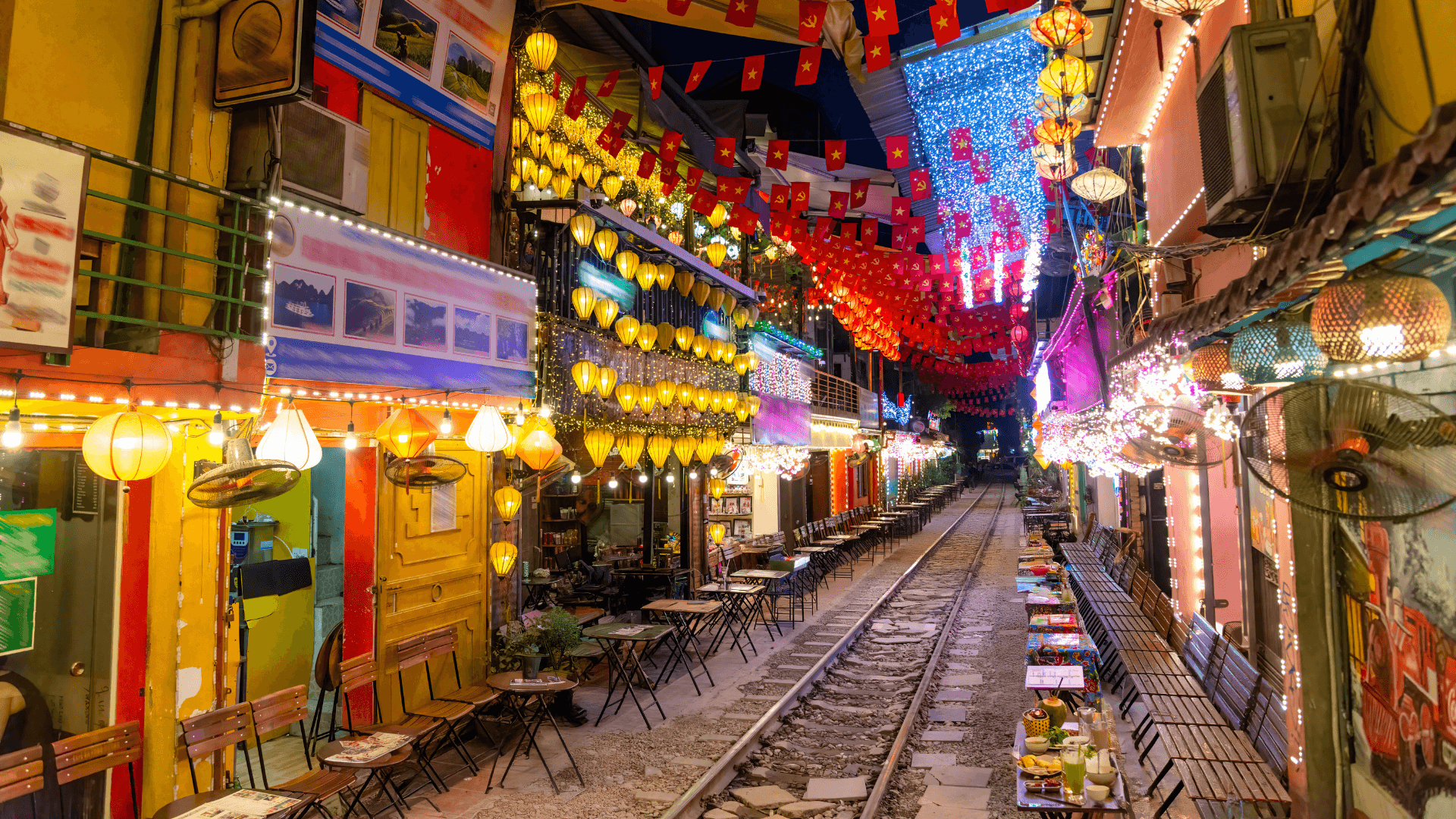
Seasons, Weather and the Rhythm of the North
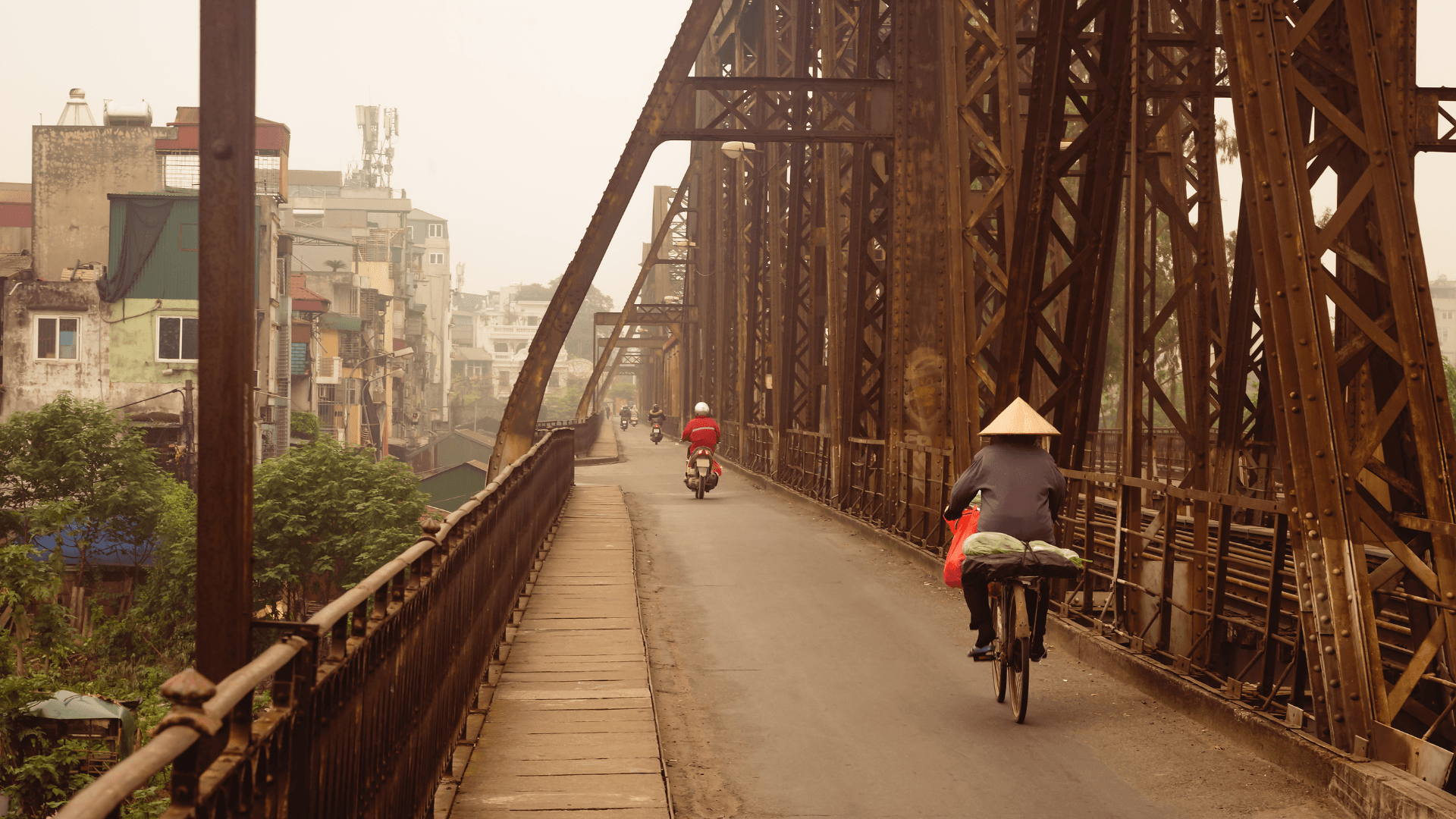
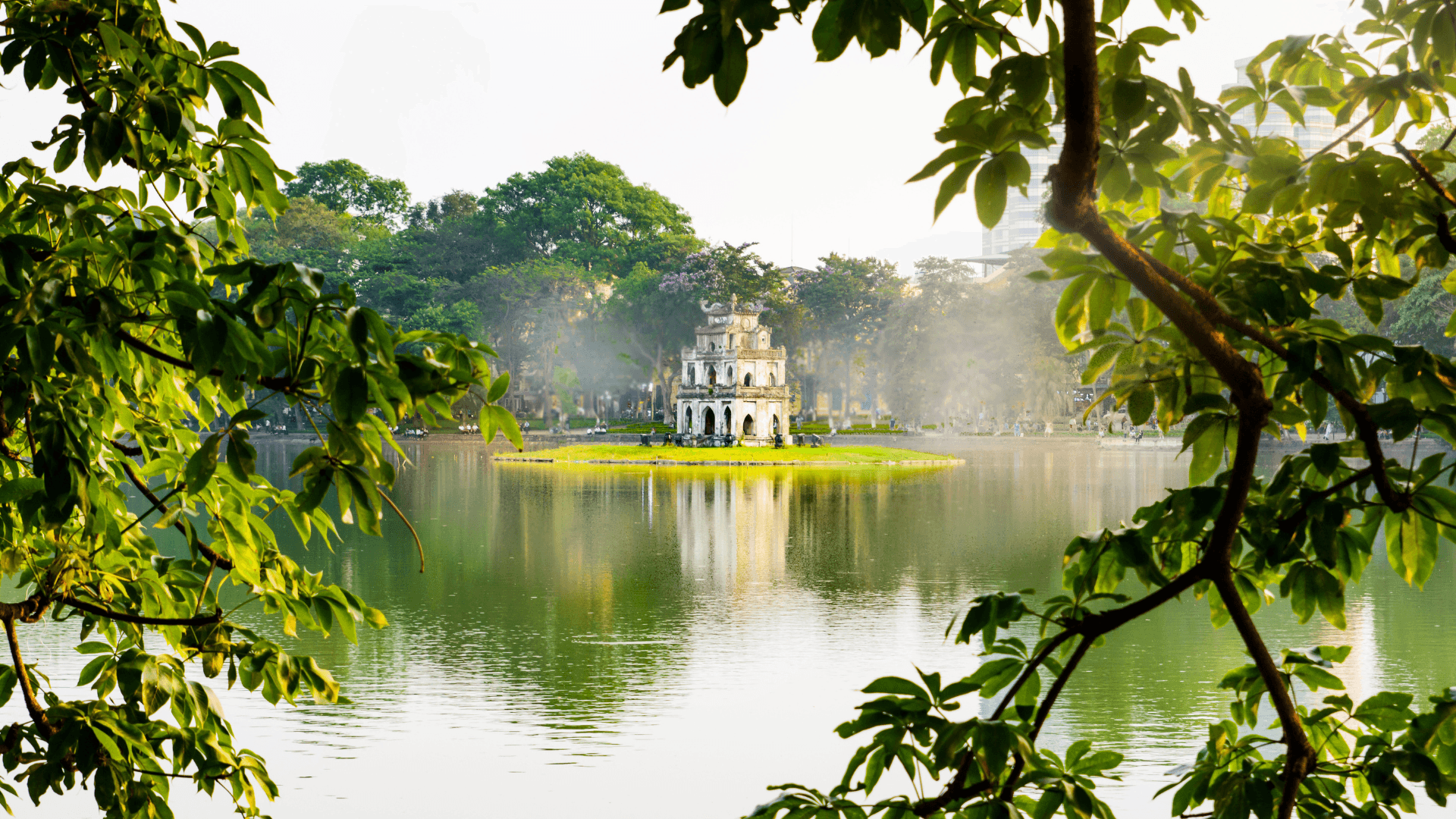
Nature
"In Hanoi, the year does not pass quietly. It turns. A cycle of renewal, intensity, reflection and stillness."
In Hanoi, the year does not pass quietly. It turns.
Spring arrives softly, carried by mist and the scent of blooming hoa bưởi. The air feels gentle, slightly damp, as the city awakens after winter. Streets glow with young leaves, and life moves with quiet optimism.
Summer follows without hesitation. Heat settles heavily over tiled roofs and shaded courtyards. Afternoon storms arrive suddenly — dramatic, brief, cleansing. Hanoi in summer is intense, expressive, alive. Markets buzz. Lakes shimmer. Even the air feels charged with movement.
Autumn is perhaps the North’s most poetic season. The light softens. The sky clears into an unmistakable blue. A cool breeze moves through tree-lined boulevards. This is when Hanoi feels reflective — elegant, composed, almost nostalgic. The rhythm slows. Conversations linger longer over tea.
Winter brings a different mood. The air turns dry and grey. A quiet chill settles over the city. Layers of clothing appear, and warm bowls of phở steam against the cold. The North in winter feels introspective — shaped by endurance and memory.
Unlike the South, where tropical warmth remains constant, the North lives through change. The seasons shape architecture, cuisine, daily routines and even temperament. They influence how people gather, what they eat, how they celebrate.
To understand Hanoi is to understand its climate — not simply as weather, but as rhythm. A cycle of renewal, intensity, reflection and stillness. And in that rhythm, the character of the North quietly reveals itself.
February 2026